Small-Foot Detectives, Gossipy Aunties: A Gendered History of Grassroots Urban Governance in China, 1949 to the Present
Zhaorui Lu
History
UC Irvine
This dissertation examines how older women shaped the grassroots governance of Beijing through their participation and leadership in an urban grassroots association known as the residents’ committee (jumin weiyuanhui) from 1949 to the present. Drawing upon internal government documents, oral history interviews, published materials, and films, I argue that older women were key actors in neighborhood politics. They delivered government policies through gossip and casual home visits, resolved domestic conflicts, oversaw hygiene campaigns, and helped police surveil their communities and solve petty crimes. This dissertation highlights the informal and communicative nature of these daily operations and considers gossip a gendered system of information, part of a complex information apparatus that made the city and its millions of residents legible to the Chinese party-state. It foregrounds older women and explores how age factored into gendered relations of power and authority. By emphasizing older women’s gendered, affective, and mundane approach to grassroots political work, this study reveals the resilient mechanism of urban governance that mediated the precarious state-society relations in Beijing through economic development, internal migration, and political upheavals over seven decades.
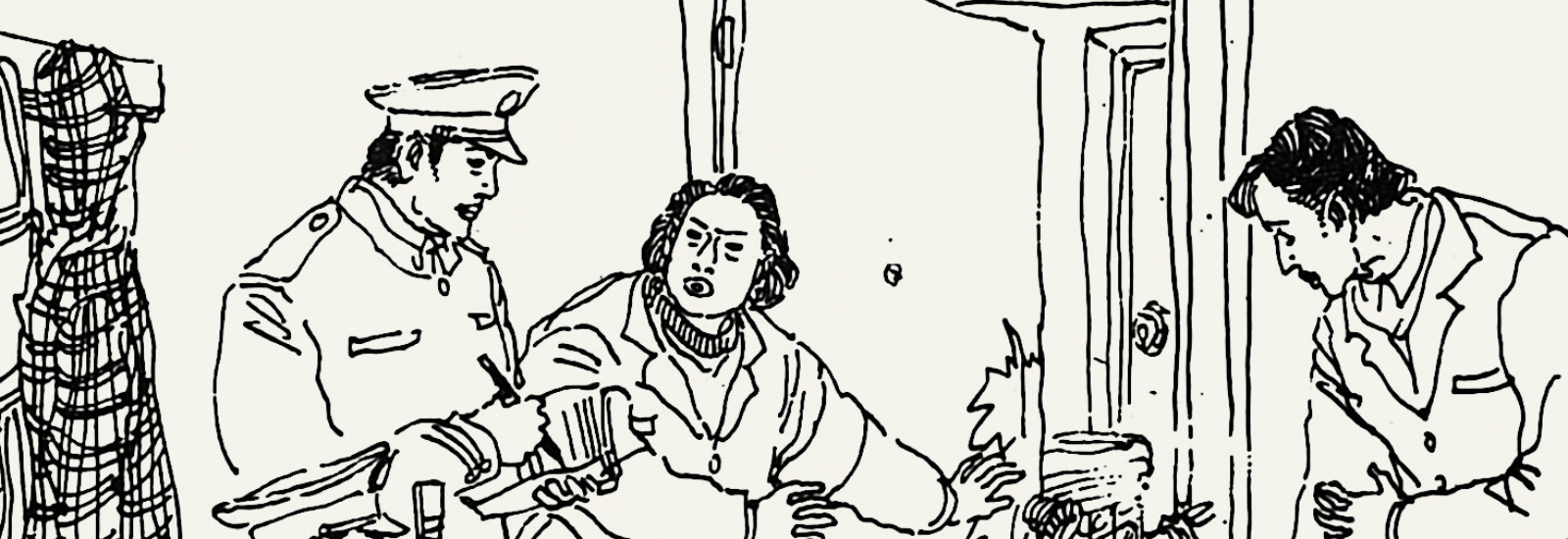
Image credit: “Urban Residents’ Committees Organic Law of the People’s Republic of China (Infographic),” (1990), Author’s Collection.