The Abandoned: A P’ansori
Monica Youn
English
UC Irvine
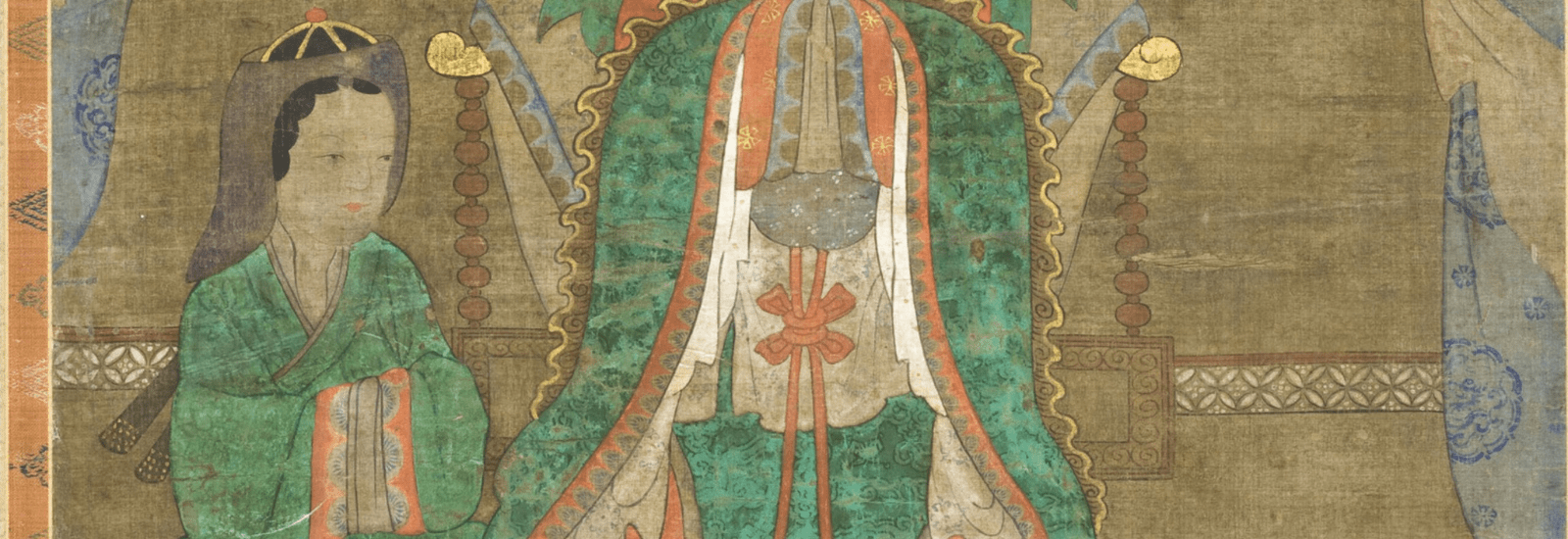
P’ansori is a Korean form of epic musical chant dating from the 17th century, which derived from pre-Confucian shamanistic performance and ritual and which flourished as a folk tradition despite elite disapprobation. P’ansori has been recognized by UNESCO as a “Masterpiece of the Oral and Intangible Heritage of Humanity,” and has experienced a recent resurgence of cultural interest and appreciation, but there has never before been a full-length p’ansori work in English. THE ABANDONED: A P’ANSORI seeks to be the first—a hybrid between p’ansori and Western opera that also incorporates traditional talchum masked dance. The work will focus on the relationship between the unnamed protagonist and her youngest daughter, set against the events of the Korean War, her family’s struggle to survive as refugees during the Korean War, the family patriarch’s increasing involvement in the notorious postwar government of President Syngman Rhee, and the protagonist’s decision to leave her husband and her only son to accompany her daughters to the United States. The work incorporates a number of Korean myths and folktales which echo the themes and events of the plot—most notably the foundational shamanistic myth of Princess Bari, the eponymous “Abandoned” figure of the title.