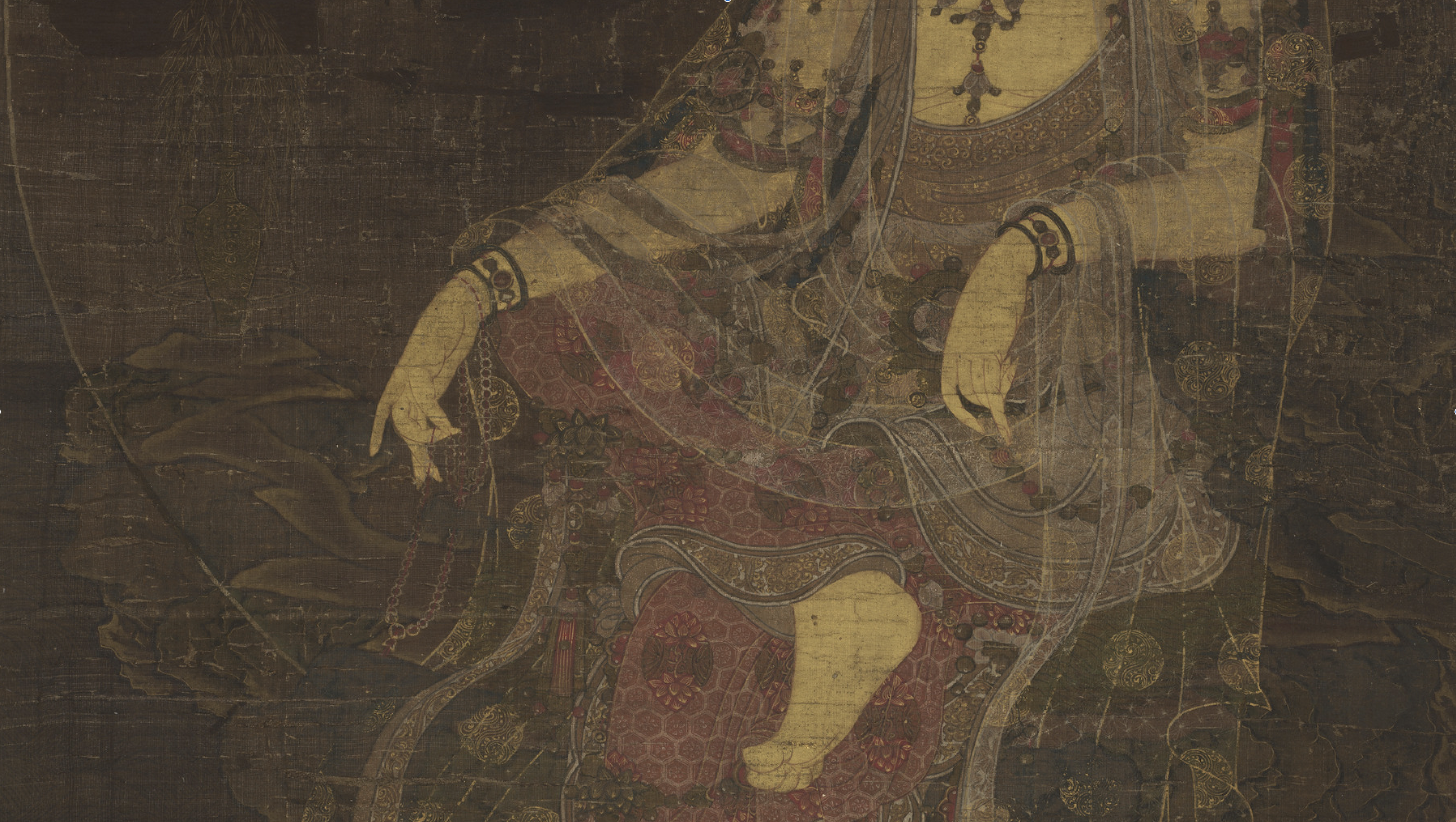
Worldmaking as Sustenance: Korean Art in Mongol Eurasia
Yong Cho
History of Art
UC Riverside
In the late-thirteenth and fourteenth centuries, art and architecture in Korea experienced dramatic transformation. This transformation coincided with the rise of Mongols, who established a large trans-Eurasian empire, unprecedented in scale in human history. The Mongol Empire brought to Northeast Asia many non-local forms of knowledge from across Eurasia, provoking the artists of the Korean peninsula to reimagine and reinterpret their own place within the wider world. Drawing on works in a variety of media, this project investigates how the cultural and political entanglements between the Mongol Empire and Northeast Asia resulted in far-reaching innovations in the arts. By arguing that Korean art of this era was a product of the series of negotiations between the artmakers and imperial patrons in their quest to sustain the power relations of a world empire in Mongol Eurasia, I propose a rethinking of Northeast Asia’s art historiography, positioning it within a broader transregional matrix of artistic knowledge. The immense artistic creativity emerged at a moment of extraordinary cross-regional exchanges that inspired the desire in Korea—at the geographical and conceptual margins of a massive empire—to make sense of, and sustain, the new cultural and political system of the Mongol world order.
Image source: Metropolitan Museum of Art